When selecting safety shoes for your team, protective features like the toe cap are crucial, but the materials are what ultimately determine the shoe's comfort, durability, and suitability for specific work environments. The wrong materials can lead to premature wear, foot discomfort, and even a loss of protection in extreme cases.
This guide will help safety managers, buyers, and workers in both the United States and Germany make informed decisions.
Step 1: Understand Core Safety Needs (US & German Standards)
Before considering daily comfort, first ensure the materials meet essential safety standards.
Safety Toe (Toe Cap):
Steel: Offers maximum impact resistance and is cost-effective. However, it's heavier and not suitable for jobs requiring passage through metal detectors (e.g., utilities, airport personnel).
Composite: Lighter, more comfortable, and non-conductive/non-thermal conductive. Ideal for electricians or those working in extreme temperatures. Protection levels are comparable to steel.
Materials: Traditional steel is common, but composite materials (fiberglass, carbon fiber, Kevlar) are increasingly popular.
How to Choose:
Puncture Resistance (Midsole):
Steel: Provides the most reliable puncture protection but shares the weight and conductivity drawbacks of steel toe caps.
Kevlar/Composites: Lightweight, flexible, and offer excellent puncture resistance. They are also thermal insulators, making them suitable for environments with electrical risks or extreme heat.
Materials: Steel or Composites (Kevlar, high-density plastic).
How to Choose:
Step 2: Choose the Upper Material – Balancing Durability, Comfort & Function
The upper is the primary interface with the work environment. Your choice here is critical.
| Material | Pros | Cons | Ideal Use Cases |
|---|---|---|---|
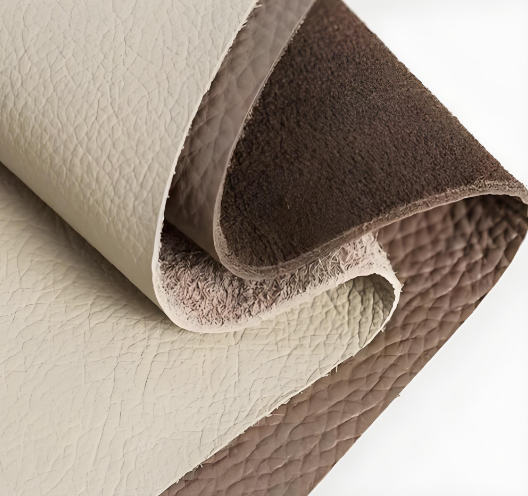
| Full-Grain Leather | Extremely durable, abrasion-resistant, good water resistance, professional look, molds to the foot for superior comfort over time. | Requires a break-in period; often higher priced. | US/Germany: Construction, manufacturing, logistics, heavy industry – nearly any general industrial setting. |
| Nubuck/Suede Leather | Soft, no break-in needed, highly abrasion-resistant, breathable. | Can attract dirt and oil; harder to clean. | US/Germany: Welding, mining, heavy equipment operation – environments with high abrasion and spark risks. |
| Waterproof Leather / Gore-Tex® | Highly waterproof, windproof, yet breathable; keeps feet dry. | More expensive than standard leather; can be too warm in hot environments. | Germany: Outdoor work, agriculture, municipal operations. US: Outdoor work in regions with variable climates like the Pacific Northwest or Midwest. |
| Synthetics (Nylon, PVC) | Lightweight, inexpensive, easy to clean. | Generally less durable than leather; often less breathable. | US/Germany: Light industry, laboratories, cleanrooms, or situations requiring low-cost or disposable footwear. |
Regional Insight:
In Germany: "DIN/EN" standards are well-known. High-quality full-grain leather is highly valued for its durability and professional appearance.
In the US: "ASTM" standards are the benchmark. Nubuck is very common in welding and heavy industry, while Gore-Tex® is a trusted brand in outdoor sectors.
Step 3: Choose the Outsole Material – The Key to Grip & Longevity
The outsole affects traction, chemical resistance, and overall lifespan.
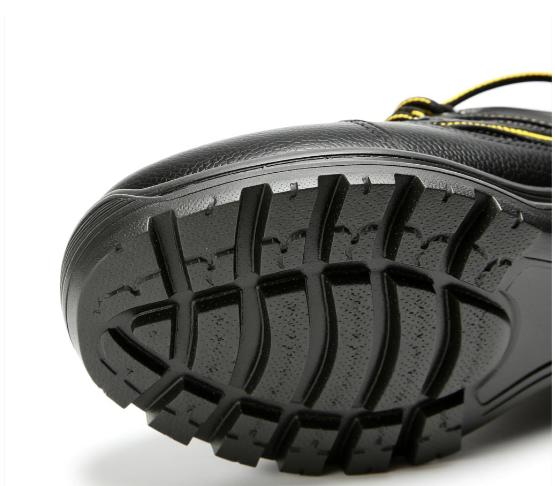
Polyurethane (PU):
Pros: Exceptionally lightweight and abrasion-resistant. Good resistance to oil and solvents.
Cons: Traction can be lower in very cold or wet conditions; can hydrolyze with prolonged water exposure.
Best For: US/Germany: Warehouses, logistics, indoor machine shops – dry environments where standing and walking are constant.
Rubber (Nitrile, Vulcanized):
Oil-/Slip-Resistant Rubber: Ideal for kitchens, food processing, auto repair shops.
Heat-Resistant Rubber (HRO): Essential for foundries, firefighting, welding (look for outsoles rated for EN ISO 20345:2022 HRO, resisting contact up to 300°C).
Pros: Superior traction (especially on oily and wet surfaces), flexible, resistant to cold temperatures, waterproof.
Cons: Generally heavier than PU; may be less abrasion-resistant in some formulations.
Types:
Step 4: Consider Special Environments & Internal Materials
Electrical Hazards: Choose all-rubber boots with no metal components. Ensure they meet ASTM F2413-18 EH (US) or EN ISO 20345 ESD (Germany/EU) standards.
High-Temperature Environments: Look for models with heat-resistant insoles, Aramid insulation layers, and HRO-rated outsoles.
Comfort & Hygiene: Seek shoes with breathable/moisture-wicking linings (e.g., Coolmax®) and antibacterial footbeds. This significantly improves all-day comfort and extends the shoe's life.
Conclusion: Your Decision-Making Checklist
Verify Standards: In the US, look for the ASTM F2413-18 label. In Germany/EU, look for the EN ISO 20345:2022 label.
Analyze Hazards: Are there risks from heavy/falling objects, sharp items, electricity, extreme heat, oil, or slippery surfaces?
Select the Upper:
All-round Durability -> Full-Grain Leather
Welding/Abrasion -> Nubuck Leather
Outdoor/Wet Conditions -> Waterproof Leather/Gore-Tex®
Select the Outsole:
Indoor/Dry -> Polyurethane (PU)
Oily/Wet/Outdoor -> Rubber
Consider Add-ons: Do you need a composite safety toe for electrical non-conductivity or metal detector compliance? Is insulation or anti-static protection required?
Investing in the right safety shoe materials for your team is not just about compliance. It's an investment in enhanced productivity, comfort, and, most importantly, the overall safety and well-being of your workforce.