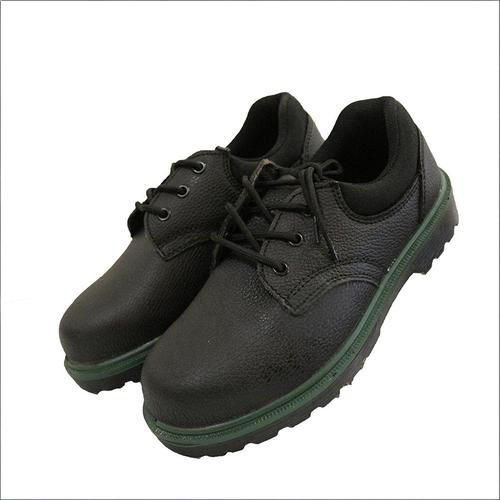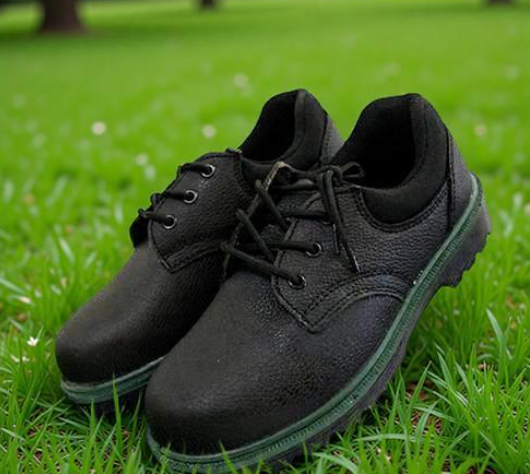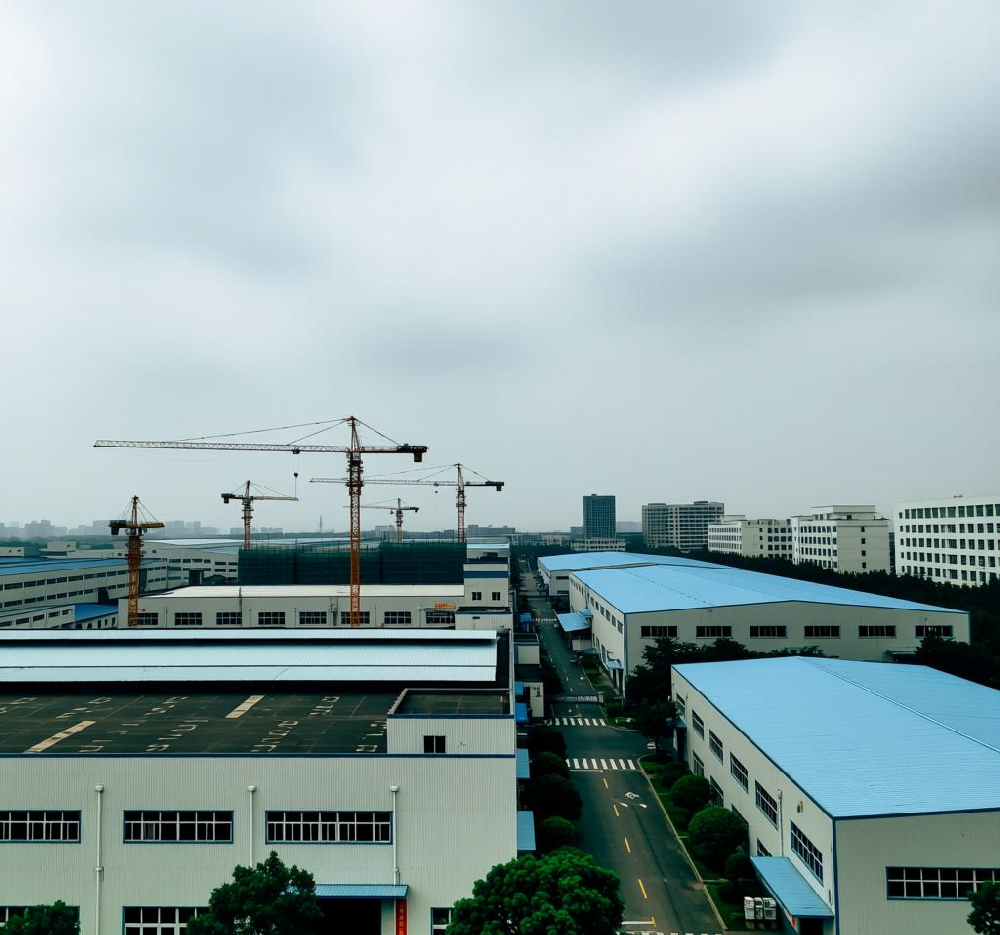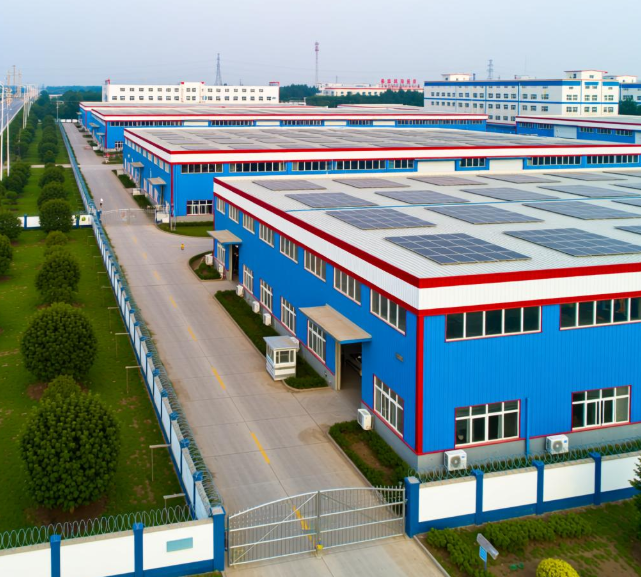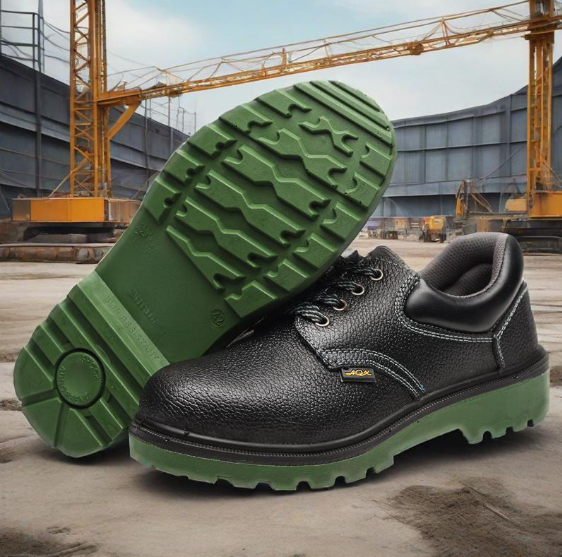
In harsh work environments like construction sites, metal fabrication, and mining—where threats from sharp objects are ever-present—a reliable pair of safety shoes is the last line of defense for a worker's feet. Among them, puncture-resistant safety shoes, capable of effectively defending against fatal injuries from sharp metals, nails, and glass shards, have become standard equipment in high-risk sectors. As a major global production base for Personal Protective Equipment (PPE), Chinese safety shoe manufacturers supply the international market with vast quantities of high-quality puncture-resistant safety shoes, leveraging advanced technology, stringent quality control, and a robust supply chain.
I. Core Technology: The Secret Behind the Puncture-Resistant Sole
Puncture resistance isn't achieved merely by thickening the sole; it relies on a layer of high-strength, penetration-resistant material embedded in the sole's midsole. Chinese manufacturers primarily utilize the following mainstream technologies:
Kevlar Aramid Fiber Midsole
Characteristics: This is one of the most advanced and common solutions today. Kevlar is renowned for its extremely high strength-to-weight ratio, being five times stronger than steel of equal weight, while also being soft and lightweight.
Advantages: The puncture-resistant midsole made from it is very thin and lightweight, barely adding to the shoe's weight and not compromising comfort or flexibility. It offers excellent fatigue resistance and tear resistance, effectively encapsulating penetrating objects to prevent further intrusion.
Chinese Manufacturing: Leading domestic manufacturers stably source and process high-performance aramid materials, weaving them into high-density fabric bases, which are then treated with special resins to form a sturdy yet flexible puncture-resistant layer.
High-Strength Steel Midsole
Characteristics: The most traditional and classic puncture-resistant solution. It uses heat-treated high-carbon steel or stainless steel plates (typically 1.0-1.5mm thick), offering extremely high hardness and bending strength.
Advantages: Provides unparalleled absolute protective strength, capable of resisting impacts from most extreme sharp objects.
Challenges & Improvements: Traditional steel midsoles are heavy, conduct heat/cold easily, and can rust in certain environments. To address this, Chinese manufacturers improve steel formulas, add anti-rust coatings, and optimize structural design (e.g., with stamped grooves) to reduce weight, increase flexibility, and enhance wearability.
Composite Puncture-Resistant Plates (e.g., Fiberglass, PE Polyethylene)
Characteristics: These materials are formed into integrated puncture-resistant plates through injection or compression molding.
Advantages: Lightweight, non-thermal conductive, non-electrically conductive, offering excellent insulation properties, making them ideal for electrical work or environments with extreme temperatures.
Technological Development: Chinese manufacturers continuously research new composite material formulations, enhancing their impact and puncture resistance to near-metal levels by adding reinforcing fibers, while maintaining advantages of lightness and flexibility.
II. The Production Edge and Rigorous Quality Control of Chinese Manufacturers
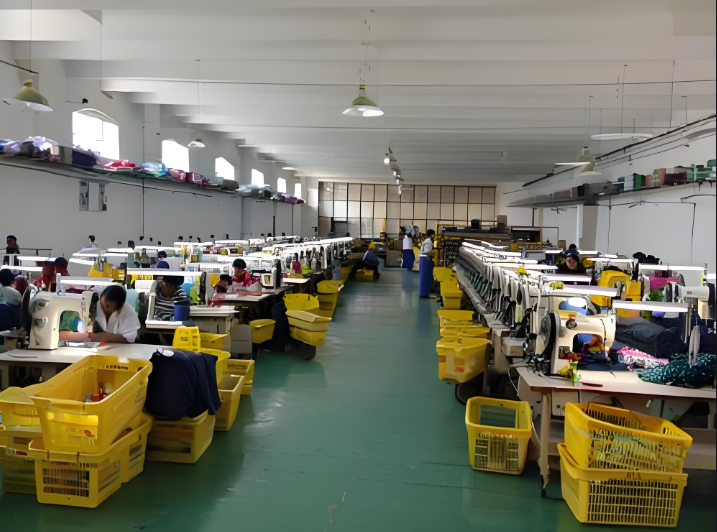
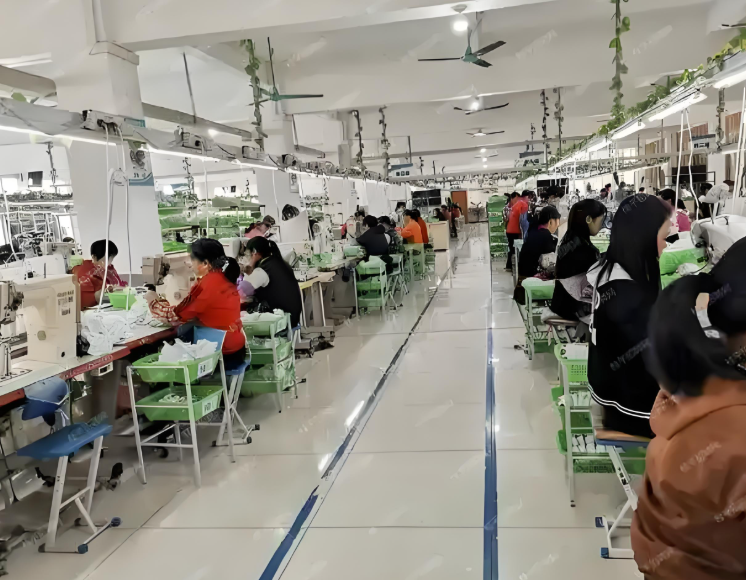
After decades of development, China's safety footwear industry has established a complete industrial chain, from chemical raw materials and textiles to mold development and finished product manufacturing. This provides a solid foundation for producing high-quality puncture-resistant safety shoes.
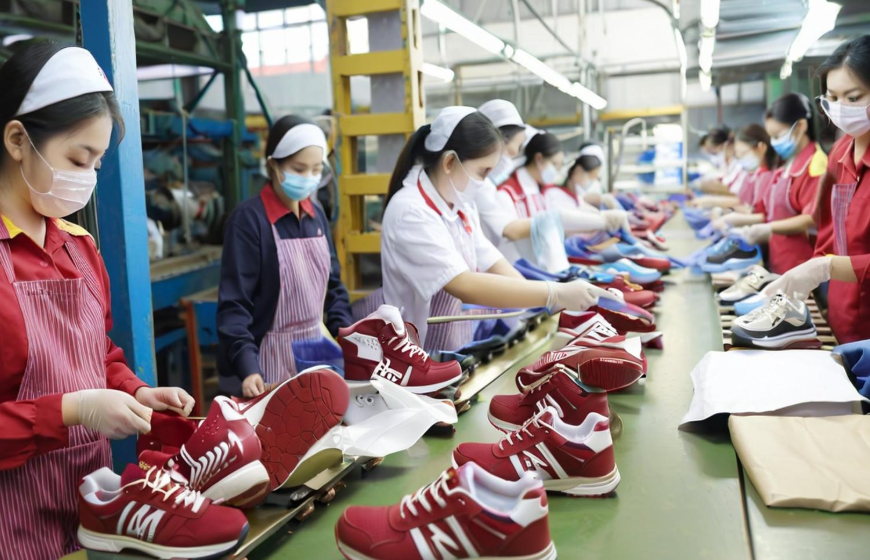
Integrated Production Lines: Large manufacturers integrate design, development, and production, allowing strict control over every step from raw material procurement to finished product shipment.
Standardized Production Process:
Material Inspection: Key indicators like strength and thickness are tested for every batch of incoming Kevlar fabric, steel, or composite plates.
Precise Cutting & Placement: The puncture-resistant layer is precisely cut and embedded into the sole's midsole through a standardized process, ensuring complete coverage of the critical footbed area without displacement or wrinkles.
High-Temperature & High-Pressure Molding: In the final process of bonding the sole and upper, high temperature and pressure fuse the various layers (outsole, puncture-resistant layer, cushioning layer, lining) firmly into a single unit, eliminating the risk of delamination.
Stringent Quality Testing: Every batch of finished puncture-resistant safety shoes must pass rigorous tests, the most critical being:
Static Pressure Test: Simulates the compression of heavy objects to test the toe cap's resistance.
Puncture Resistance Test: According to Chinese National Standard GB 21148-2020 or European Standard EN ISO 20345, a test nail of specified diameter and force (e.g., 1100N) is impacted vertically against the sole. The requirement is that the tip of the test nail must not completely penetrate the insole. Reputable manufacturers are equipped with professional testing laboratories to ensure every pair of shoes meets or even exceeds standard requirements.
III. Beyond Protection: Prioritizing Comfort and Multi-Functionality
The needs of modern workers for safety footwear extend far beyond the basic requirement of "safety." Chinese manufacturers understand this deeply and are committed to enhancing the wearing experience while ensuring top-tier protection.
Ergonomic Design: Lasts are meticulously designed to better fit the shape of Asian feet, providing a more comfortable, snug fit.
Breathability & Cushioning: Adding cushioning foam and breathable, moisture-wicking liners above and below the puncture-resistant layer effectively reduces fatigue from prolonged standing and walking.
Multi-Function Integration: Beyond puncture resistance, a single pair of safety shoes often integrates multiple functions like impact protection (steel toe), anti-static, oil resistance, abrasion resistance, and electrical insulation, providing comprehensive protection.
Conclusion
From bustling factories to towering construction sites, Chinese-made puncture-resistant safety shoes are silently safeguarding the "every step" of countless workers worldwide with their reliable quality, superior performance, and ever-improving comfort. Behind this lies the continuous technological dedication, unwavering commitment to quality, and deep understanding of user needs possessed by Chinese safety footwear manufacturers. Choosing a qualified pair of puncture-resistant safety shoes is not only compliance with regulations but also the highest tribute to the dignity of life.