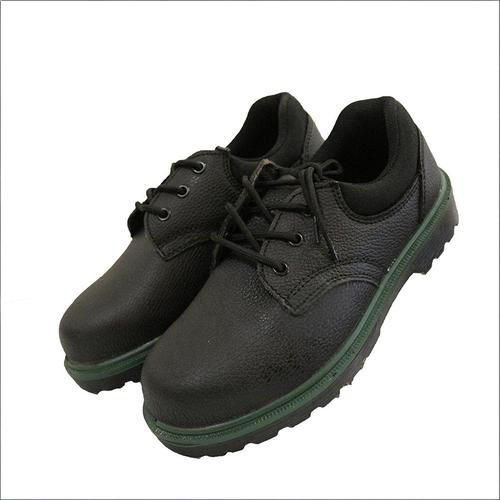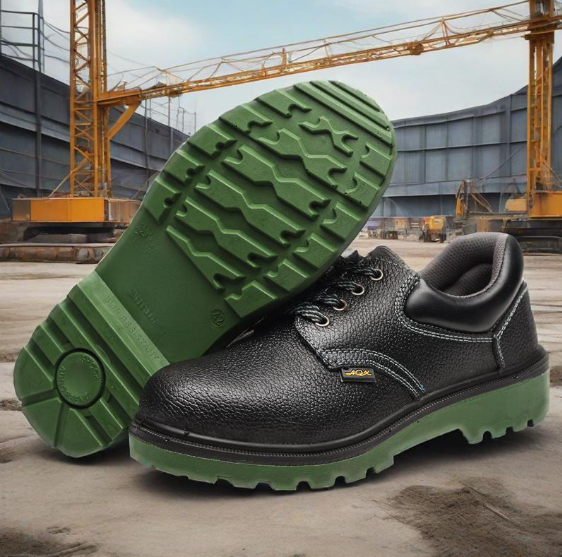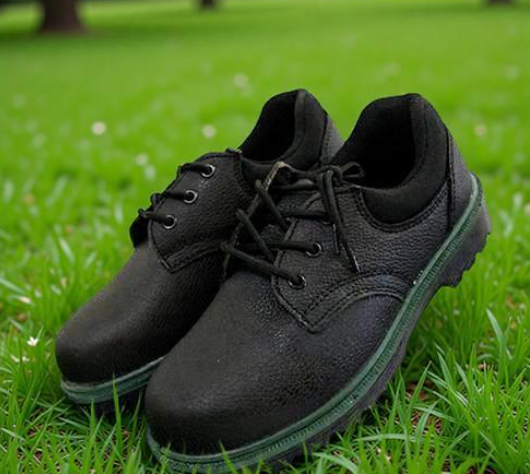
Safety shoes are critical pieces of equipment for protecting the foot safety of workers in industrial production, and their quality directly impacts the lives and health of personnel. By establishing a scientific and rigorous system of production standards, China has driven technological upgrades in its manufacturing enterprises, fostering a group of safety shoe brands with international competitiveness and providing a "China Solution" for the global occupational protection sector.
I. The Core Framework and Technical Innovations of China's Safety Shoe Production Standards
The GB 21148-2020 standard, "Foot Protection - Safety Shoes," is China's mandatory national standard. Fully implemented on August 1, 2021, it consolidated previous standards for electrically insulating shoes, occupational shoes, and protective shoes. Its technical requirements align with the international ISO 20345:2011 standard, while optimizing several indicators to better suit domestic industrial scenarios.
(一) Quantified Requirements for Basic Protective Performance
The standard sets strict parameters for the core protective functions of safety shoes:
Toe Protection: Requires a 200-joule impact test (upgraded from the 100-200 joule grading in the old standard) and a compression resistance test of 15kN, ensuring the toecap does not deform or penetrate under heavy impact or compression.
Puncture Resistance: The anti-puncture insole must completely block a force of 1100N. The use of metal components (such as traditional steel midsoles) is prohibited, favoring synthetic materials like high-strength polyurethane to balance protection and electrical insulation needs.
Electrical Insulation: Leather or all-rubber materials must pass a 6kV voltage test for one minute with a leakage current of ≤1.8mA. The stitching must use non-penetrating methods to avoid conductive metal parts.
(二) Detailed Specifications for Scenario-Specific Adaptability
The standard adds several functional requirements tailored to different industrial environments:
Slip Resistance: On a ceramic tile surface with detergent, the coefficient of friction must be ≥0.28 for heel slip and ≥0.32 for horizontal slip (corresponding to ISO SRA level), making it suitable for slippery environments like scaffolding and logistics handling.
Heat and Cold Insulation: For heat-insulating shoes, the temperature rise of the insole must be ≤22°C (in a 30-minute sand bath test). Cold-insulating shoes must be equipped with a fixed thermal barrier layer to ensure the internal temperature drop is ≤10°C, meeting the needs of extreme-temperature operations in metallurgy and cold storage.
Eco-friendliness and Comfort: The use of harmful substances like benzene and formaldehyde is prohibited. Breathability must comply with GB/T 4303, and the shoe last design must be ergonomic to reduce fatigue during long-term wear.
(三) Quality Grading and Inspection System
The standard innovatively introduces a quality grading system, categorizing shoes into nine levels from AAA to C based on a combined score of production assurance capability (40%) and product performance (60%). The AAA grade is intended for high-risk industries like metallurgy and mining, while the C grade is limited to low-risk scenarios. The inspection process includes type inspection (full-item sampling) and factory-exit inspection (key indicators like impact resistance and slip resistance), all of which must be certified by a third-party agency authorized by the Ministry of Emergency Management (such as Guangdong Testing).
II. Standard Practices and Technological Breakthroughs of Chinese Safety Shoe Manufacturers
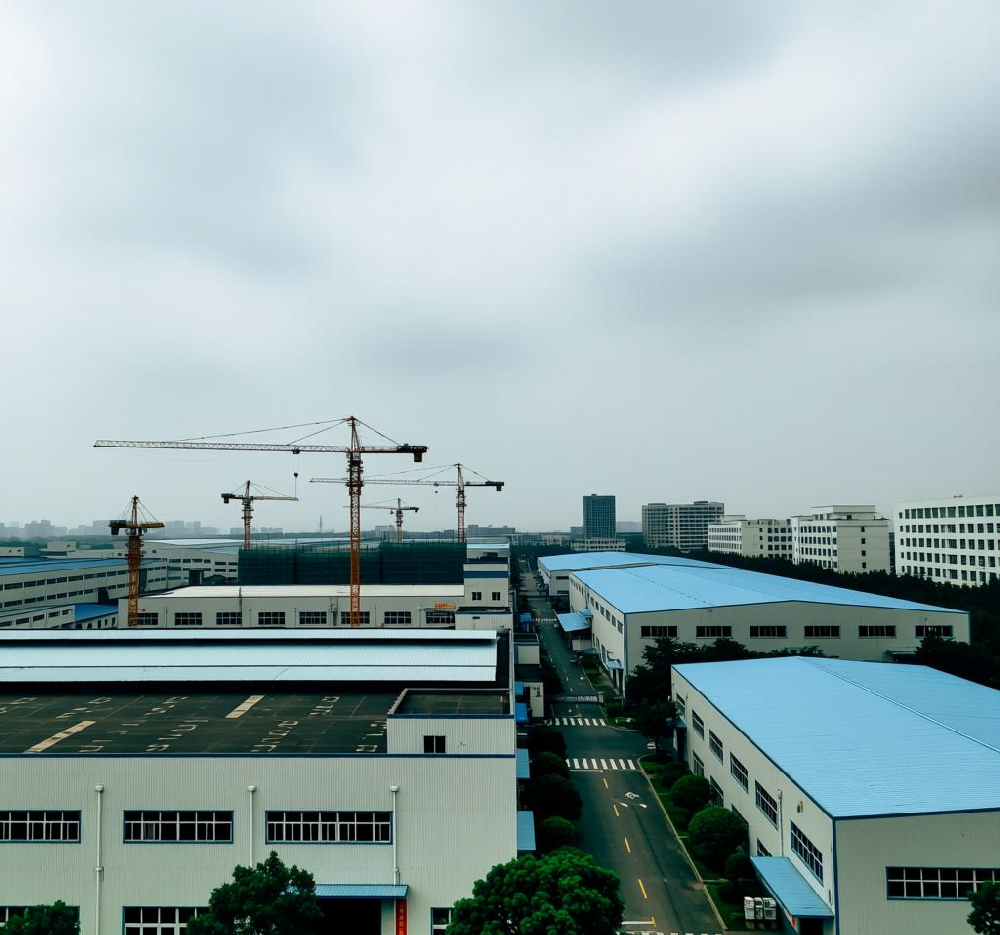
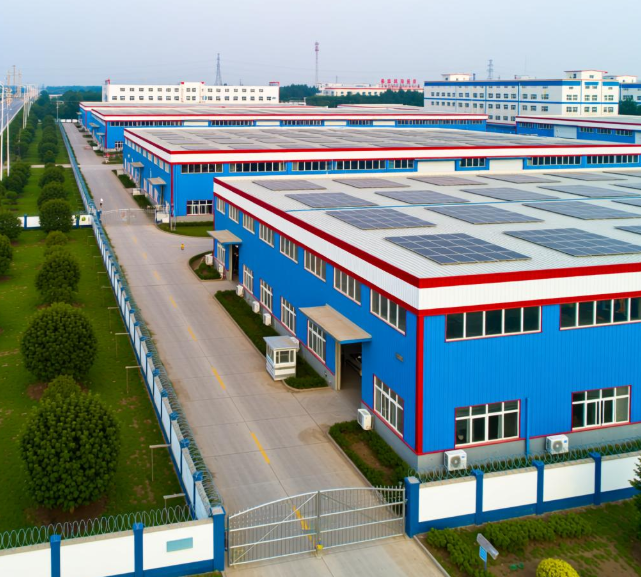
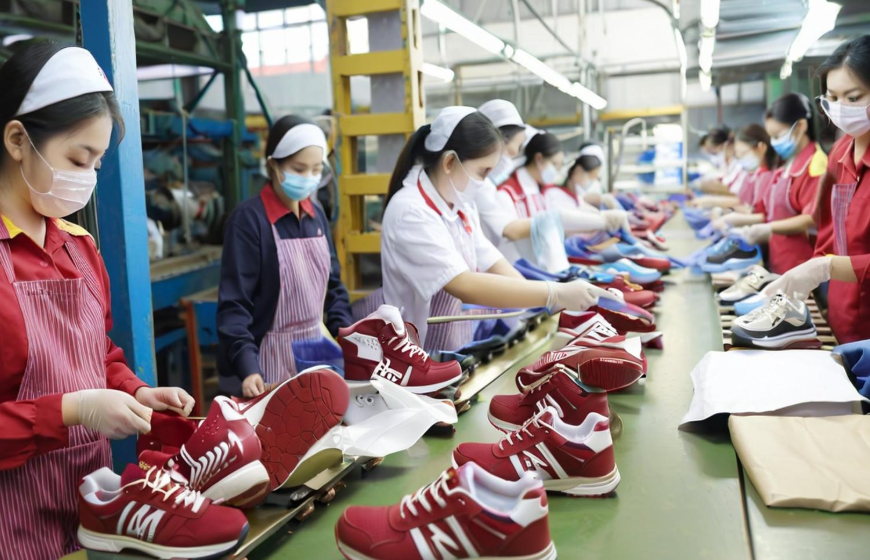
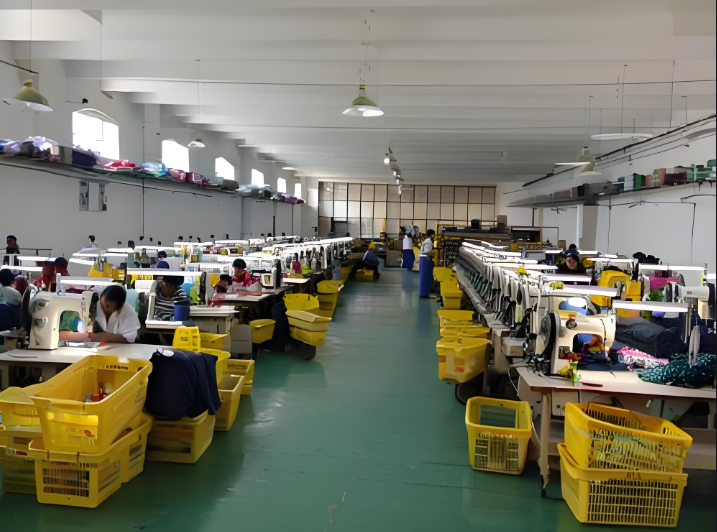
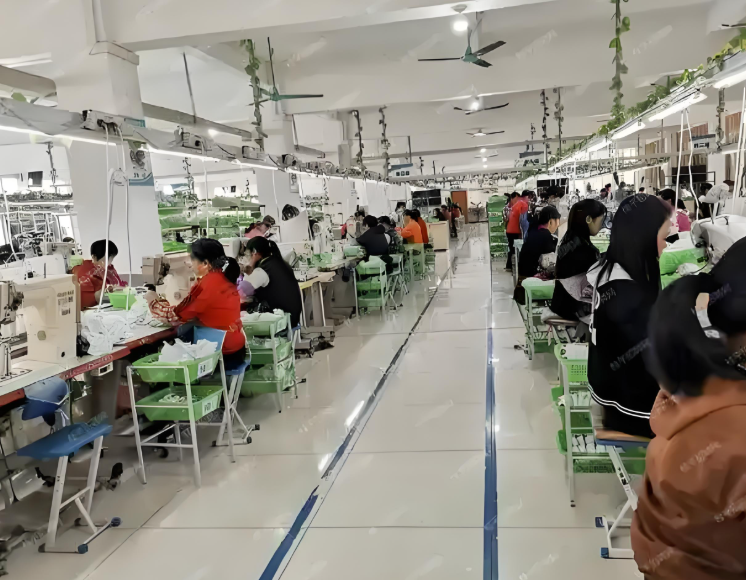
Guided by these standards, manufacturers in regions like Shandong, Guangdong, and Jiangsu have become benchmarks for high-quality development through technological innovation and digital management.
III. Future Trends: From Standard Leadership to Global Competitiveness
The evolution of China's safety shoe production standards has not only driven technological upgrades for domestic manufacturers but has also empowered Chinese brands to compete internationally. Looking ahead, with the application of intelligent inspection (e.g., AI vision), the integration of multifunctional features (e.g., "hybrid shoes" offering smash, slip, and oil resistance), and the use of eco-friendly materials (e.g., degradable rubber), China's safety shoe manufacturing industry will further advance towards higher safety, greener processes, and greater intelligence, providing superior solutions for global occupational protection.
From standard-setting to enterprise practice, China's safety shoe industry is driven by the twin wheels of "standards + innovation," writing a new chapter in its transformation from "manufacturing" to "quality manufacturing." This effort builds a solid safety line for workers and contributes Chinese wisdom to global industrial safety.